
Crystalline Silica
Crystalline silica is everywhere — in stone, sand, concrete, and many of the materials used daily across construction, manufacturing, and industrial environments. The real issue begins when these materials are cut, drilled, or polished. That’s when they release extremely fine particles that stay suspended in the air… and can be inhaled without anyone noticing.
Understanding this “hidden dust” is the first step toward protecting your teams and staying compliant.
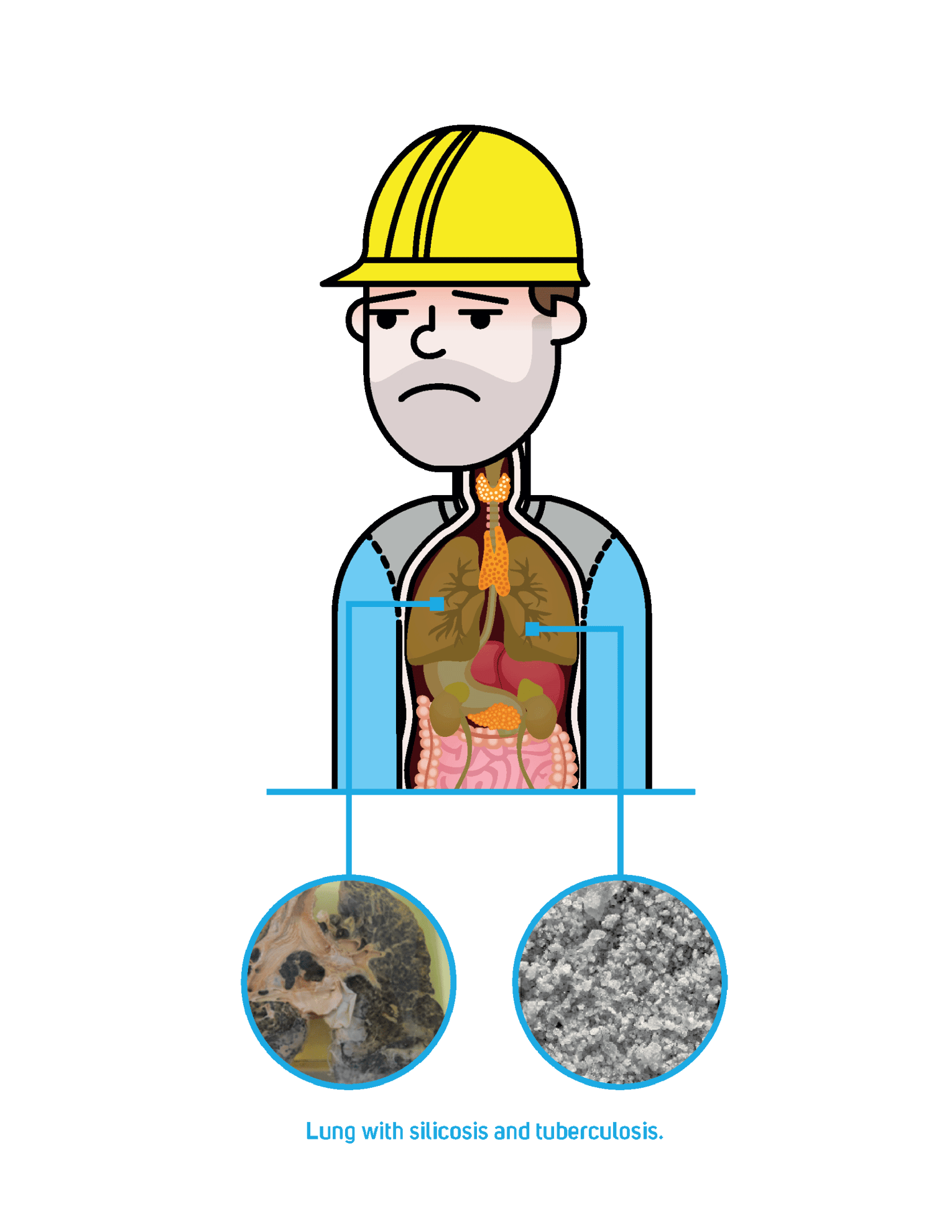
Respirable crystalline silica (RCS) is small enough to reach deep into the lungs. And once it’s there, it can cause serious, sometimes irreversible diseases — often developing silently over many years.
These include:
- Silicosis
- Increased risk of tuberculosis
- COPD
- Kidney disease
- Lung cancer
The most alarming part? Symptoms can take up to a decade to appear.
Across the world, authorities treat silica exposure as a major occupational hazard. But exposure limits vary significantly:
- USA: strict PEL of 0.05 mg/m³
- EU: BOELV of 0.1 mg/m³
- Australia: 0.05 mg/m³ plus a national ban on engineered stone (from 2024)
- Canada: some regions go as low as 0.025 mg/m³
Staying compliant isn’t only about meeting a number — it requires understanding your specific risks, the regulations that apply to you, and the right protection strategies.
Most regulations around the world agree on a few essential actions:
- Monitor silica exposure levels
- Implement engineering and administrative controls
- Limit access to high‑risk areas
- Provide appropriate respiratory protection
- Maintain an exposure control plan and proper worker training
.
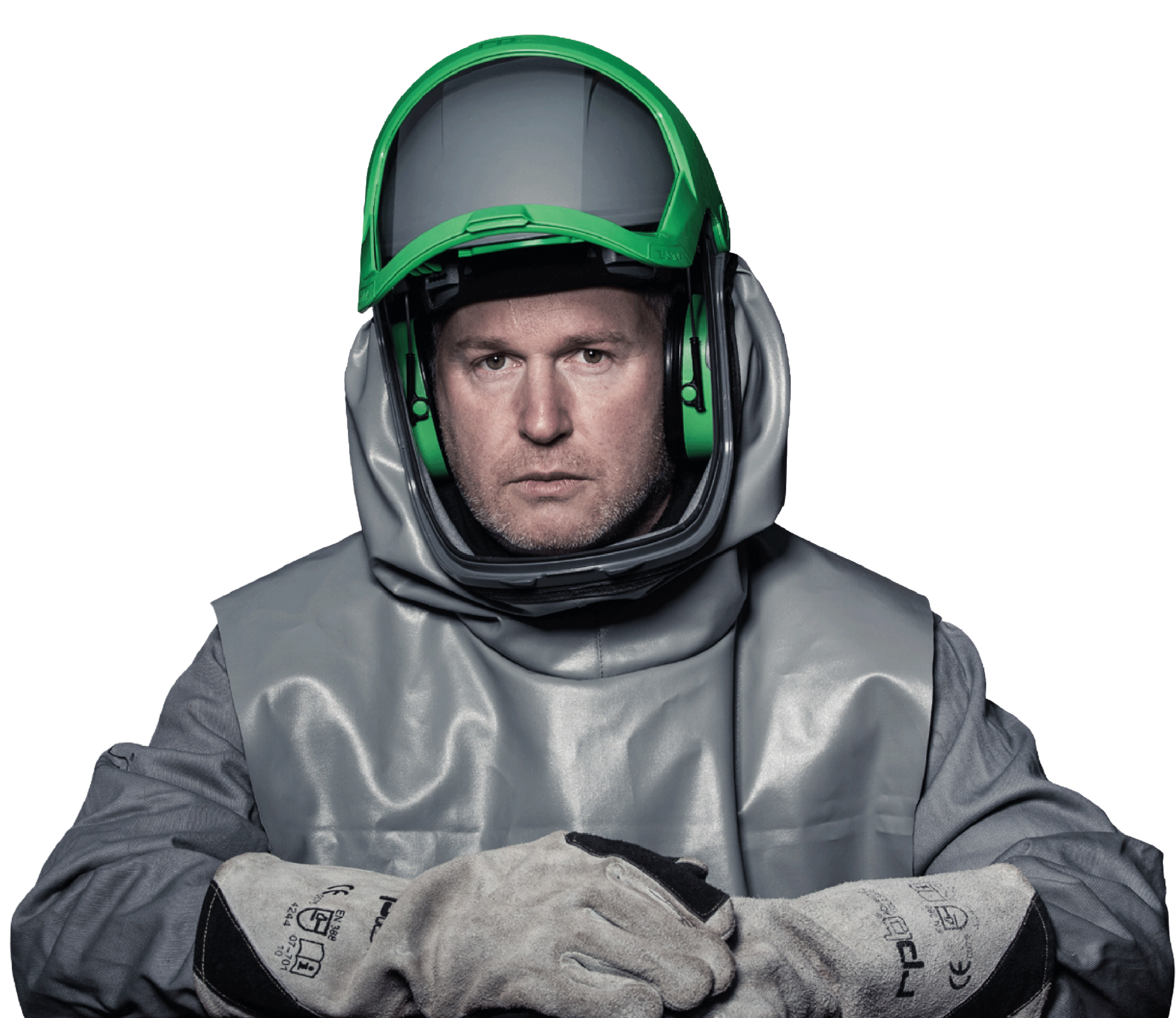
Effective control starts with the right mix of methods, such as:
- Dust suppression (wet cutting, slurry systems)
- Local exhaust ventilation and dust extraction
- Correctly selected and fitted respiratory protection
– negative‑pressure tight‑fitting respirators
– positive‑pressure or powered air respirators
But knowing which solution is right for your workplace requires clear, reliable information