Welding Fumes
During welding, extremely fine metal particulates — often as small as 0.0001 mm — are released into the air. These microscopic particles, combined with hazardous gases produced during the process, can easily enter the respiratory system without the right protective measures.
Welders may be exposed to toxic metals such as chromium, nickel, lead, manganese, and aluminum, along with gases like ozone, nitrogen dioxide, carbon monoxide, and more. Each of these substances presents serious, sometimes life‑altering risks.
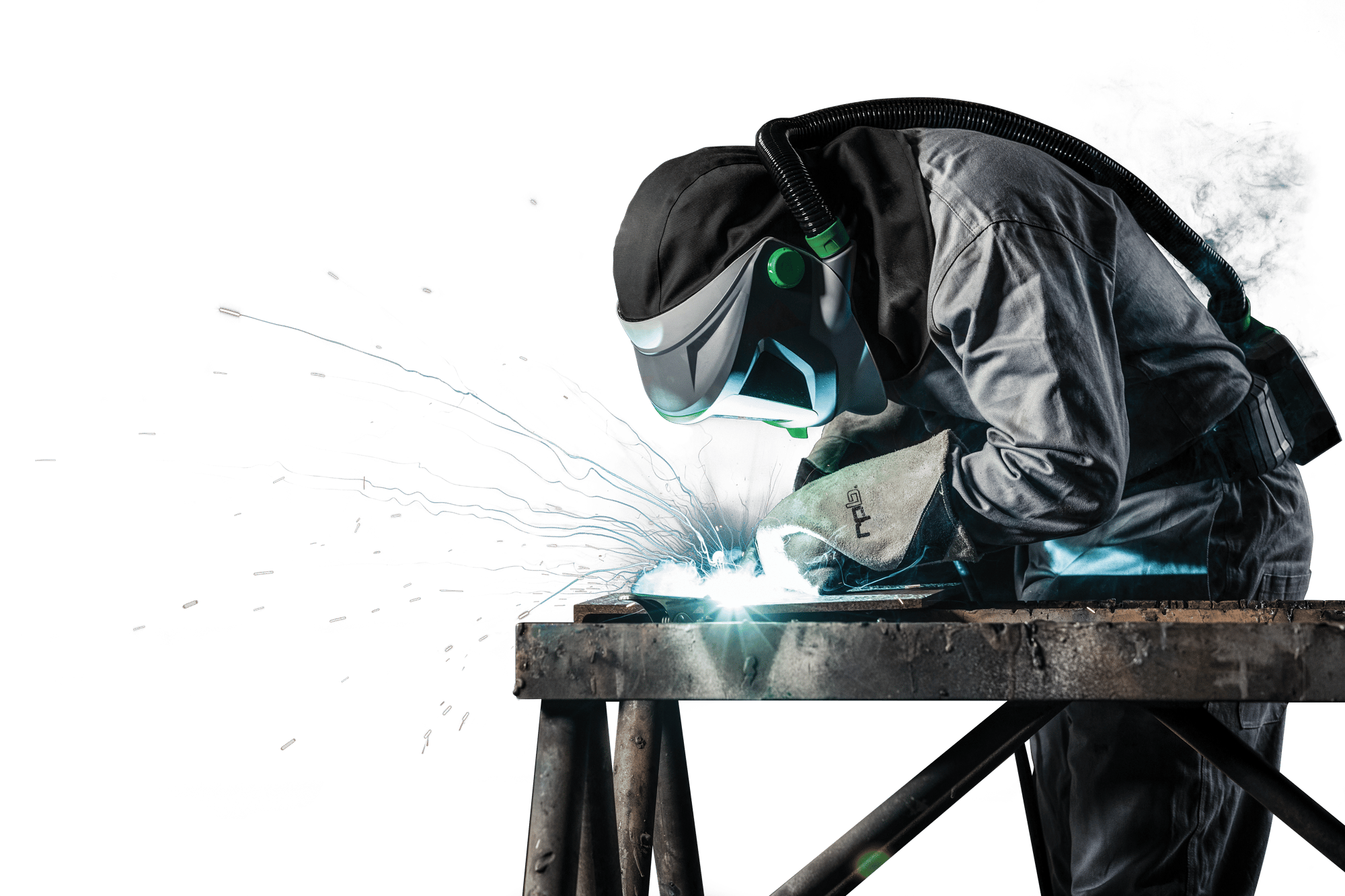
Long-term exposure to welding fume has been associated with severe medical conditions, including:
- Cancer: Especially of the lung, larynx, and urinary tract
- Emphysema: A progressive, incurable lung disease
- Kidney Failure: Potentially fatal without urgent treatment
- Lead Poisoning & Anemia: Causing irreversible neurological and physical damage
- Manganism: A Parkinson’s-like neurological syndrome
- Metal Fume Fever: Sudden flu-like symptoms from zinc fume
- Asthma & Respiratory Irritation: Triggered or intensified by various metals and oxides
Even when symptoms aren’t immediate, the cumulative impact of harmful gases and particulates can be devastating over time.
Every welding environment is different — but the need for protection is universal. Following modern standards, regulations, and best practices is the first step. Choosing the right protective equipment is the next.
Because the risks are real. And protecting welders means protecting their future.
Create a Safer Workplace Today
Empower your team with the knowledge and tools they need to breathe safely, weld confidently, and stay healthy for the long term.
Protect welders. Reduce risk. Take action now.